
History
Back in the day, the standard method of liquid waste disposal was to install a pipe from the house to the closest body of water or low part of the property and let it all go downhill. After discovering this method pollutes our waterways, causes disease and can be lethal to humans and animals, newer methods were created.
To help solve these initial problems, "standard gravity" soil treatment systems were introduced. This type of a system allowed much of the solids to settle out in a tank and the liquids to be filtered by gravity through the native soil. Putting the liquid waste into the ground instead of straight into our surface water was a good first step, but other problems ensued.
Sites with poor draining soils were found to sometimes have a seasonal water table near the surface. Having a drainfield in a "perched" water table would oftentimes cause the system to back up into the house, cause pre-mature failure and also reduces the system’s ability to treat the wastewater before it gets into our drinking water deeper in the ground.
On sites with excessively well drained soils (fractured rock, etc), there wasn't enough filter material (native soil) to adequately treat the effluent before the pollutants made it into the aquifer. This caused contamination of our ground water which was also found to be a problem.
Today's regulators have studied many of these problems previously experienced and changed the septic system regulations to help increase the life of our systems and also try to protect the public from contamination of surface and ground water. The rules are not perfect, but most have been created based on documented problems and some scientific research.
How They Work
The septic system is a natural method of treating and disposing liquid household waste. The first component of all septic systems is the tank. Most tanks are split into two compartments and have pipe baffles and an outlet filter to ensure the solids stay in the tank.
The biologic process begins in the tank where the effluent separates into layers and begins the process of decomposition. Bacteria, which are naturally present in all septic systems, begin to digest the solids that have settled to the bottom of the tank, transforming a large percentage of these solids into liquids and gases. When liquids within the tank rise to the level of the outflow pipe, they enter the next part of the treatment system. Final treatment of the effluent always occurs in the soil where additional microbes break down the waste and the "clean" water is put back into the ground thereby recharging the aquifers.
Wastewater contains several undesirable pollutants. Pathogens such as viruses or bacteria can enter drinking water supplies creating a potential health hazard. Nutrients and organic matter entering waterways can lead to tremendous growth in the quantity of aquatic microorganisms. Metabolic activity of these microbes can reduce oxygen levels in the water causing aquatic life to suffocate. Septic system regulations attempt to reduce the chance of these pollutants from having a negative impact on people and the environment.
Types Overview
There are many, many types and sizes of septic systems available today. In Washington, the systems used most often are divided up into four basic categories:
- Standard Gravity (treatment level "E")
- Pressure Distribution (treatment level "E", pressure)
- Advanced Treatment, below ground (treatment level "A" or "B")
- Advanced Treatment, above ground (treatment level "A" or "B")
The first two types (standard gravity and pressure distribution) are relatively straightforward, non-proprietary system types. Standard gravity systems require three feet of "good" soil under the trenches while pressure distribution systems only require two feet. Advanced Treatment systems are more complicated and treat the wastewater to a fairly high level before allowing it to reach the soil.
Many systems today include pump(s), control panels, graveless infiltration chambers and effluent filters. Some systems even include textile filters, aerobic digestion and/or ultraviolet disinfection! Our job is to determine the least expensive and/or least complicated system type we can get approved based on current codes and the soil at your property.
Standard Gravity
The most common and cost-effective septic system type
When you send new liquid waste into the septic tank, an equal amount of liquid (called effluent) comes out the outlet side of the tank. An "outlet filter" is installed in the tank to help prevent solids from escaping the tank.
After passing through the outlet filter, the effluent flows through a distribution box (d-box) which diverts the flows to multiple pipes.
The effluent leaves the d-box under the power of gravity and flows downhill to each of the underground drainage trenches. The trenches are made up of either: perforated pipe over drainrock or graveless chambers. Each type effectively does the same thing - they allow the effluent to "perc" into the ground at the bottom of the trench.
In Washington State, the bottom of the drainfield trench needs to be three feet above any restrictive layer, such as a hardpan, water table or excessively permeable soil (rock) in order to permit a gravity system. Chemical and biological processes treat the effluent as it percolates down through the soil. The size of the drainfield depends on the estimated daily wastewater flow and the soil conditions at your site.
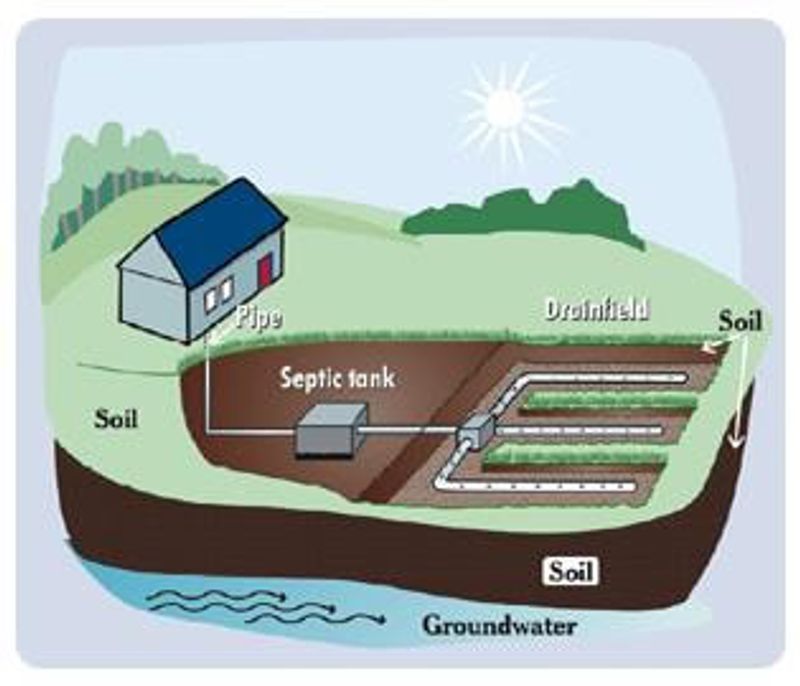
A basic drawing showing the components of a gravity septic system.
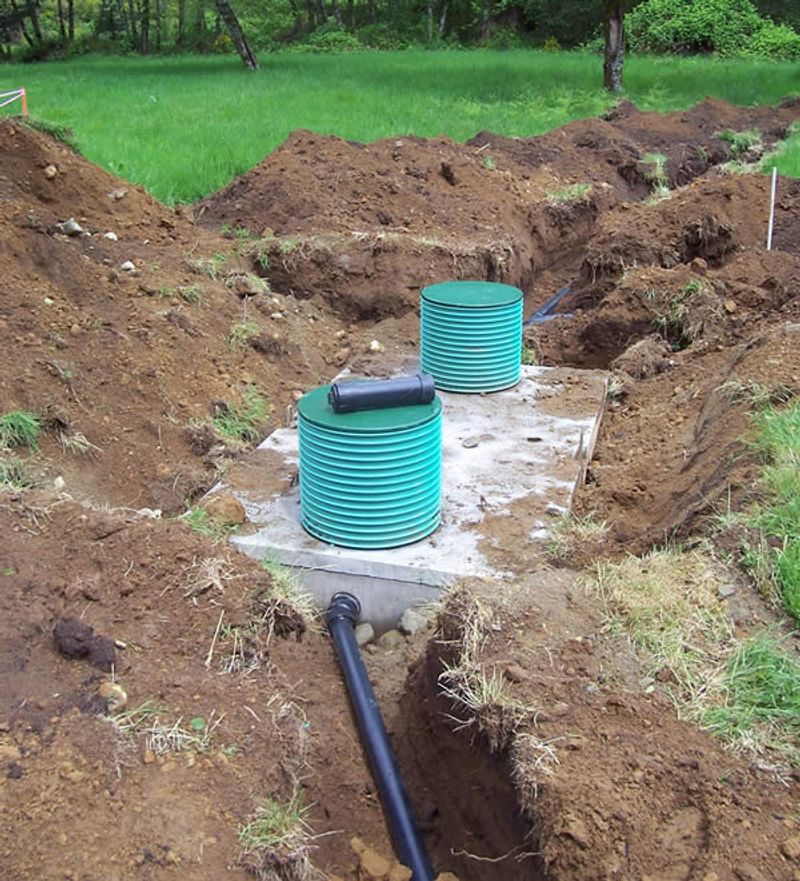
A 2 compartment septic tanks installed for a gravity septic system.
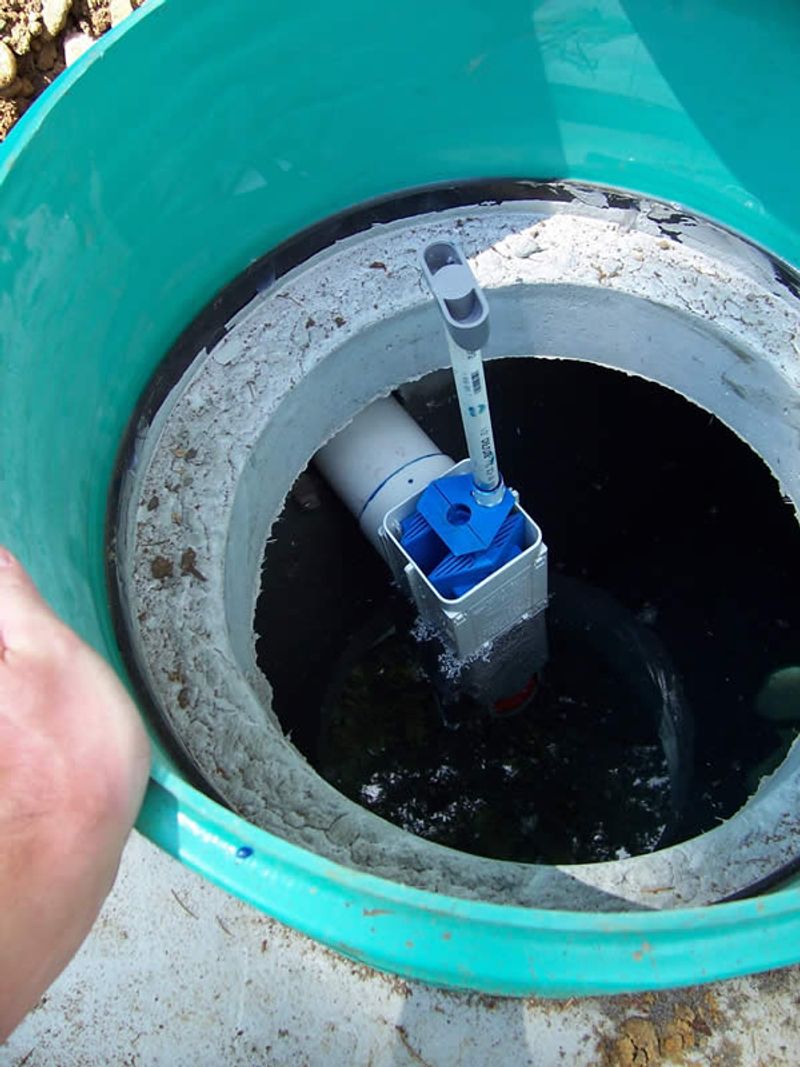
An outlet filter with handle installed in a standard septic tank. The blue filter provides passive filtration and prevents larger pieces of solids and "scum" from entering the downstream components.
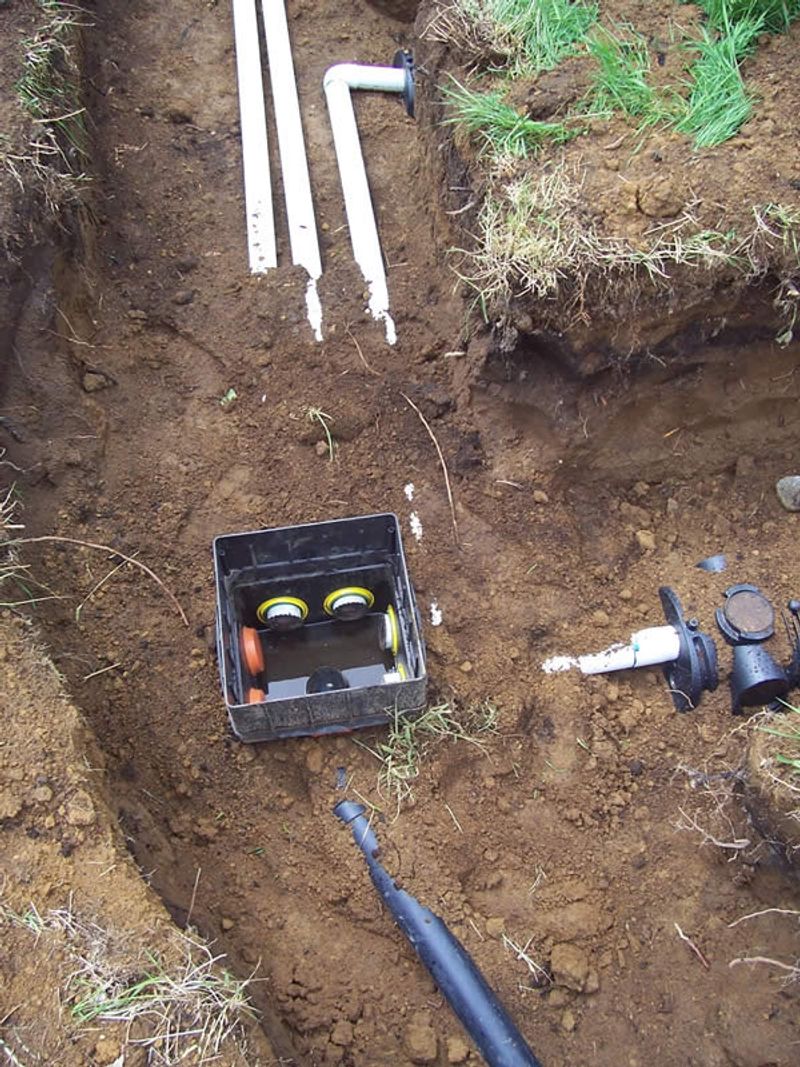
A "d-box" with 4 outlet pipes (white) and one inlet (black pipe).
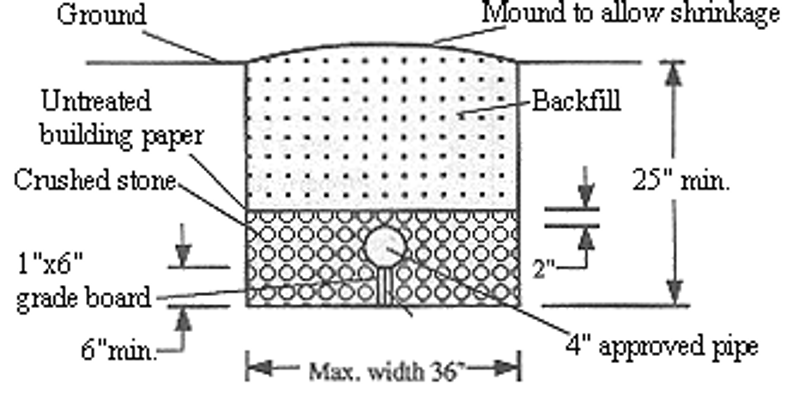
Cross-section of a typical "pipe and rock" drainfield trench (Approximate only, design will vary).
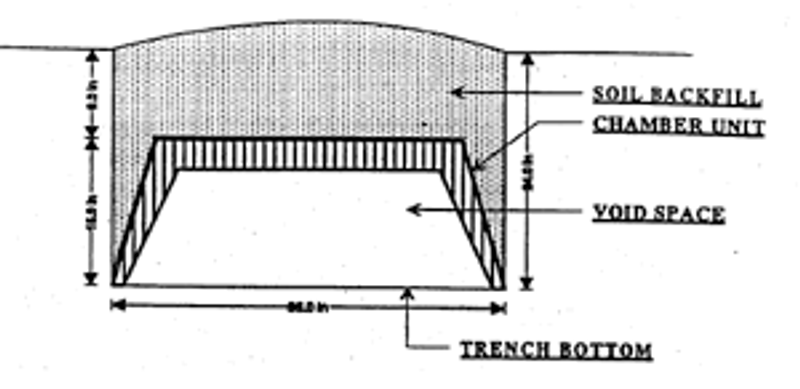
Cross-section of a typical "graveless chamber" drainfield trench.
Pressure Distribution
Pressurized system for sites with limited soil depth
Pressure distribution systems are usually required when there is less than optimal soil depth available for complete treatment of the effluent by a gravity system. A minimum of two feet of properly drained soil is required under the trenches. The tank and drainfield size are normally the same as a standard gravity system, but the method by which the effluent is distributed to the soil is different.
A pump (or sometimes a siphon) is used to pressurize the effluent into an underground pvc pipe which transports it to the drainfield. The drainfield itself usually consists of graveless chambers or drip irrigation tubing. Unlike a standard gravity system, a pressure distribution system wets the entire length of the trench each time the pump turns on. This allows the effluent to be spread over a larger area and receive better treatment from the soil.
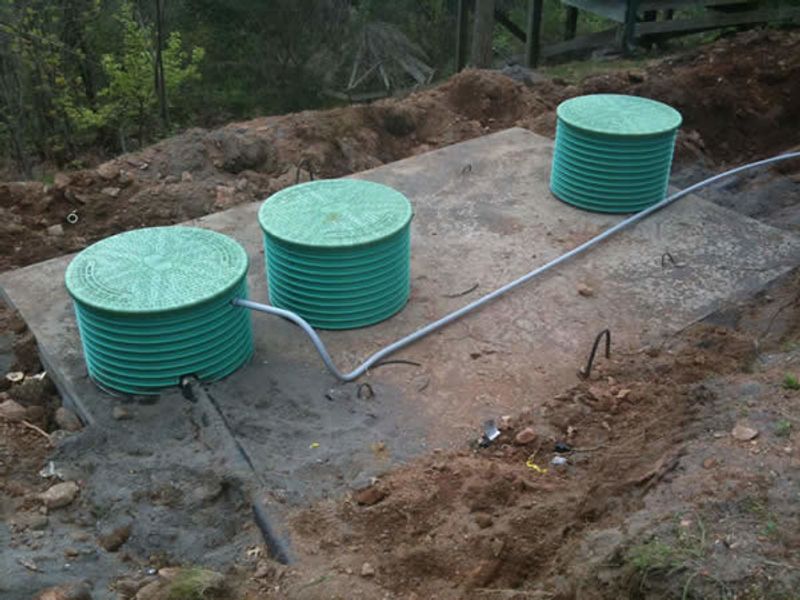
A 3 compartment tank being installed for a pressure distribution system.
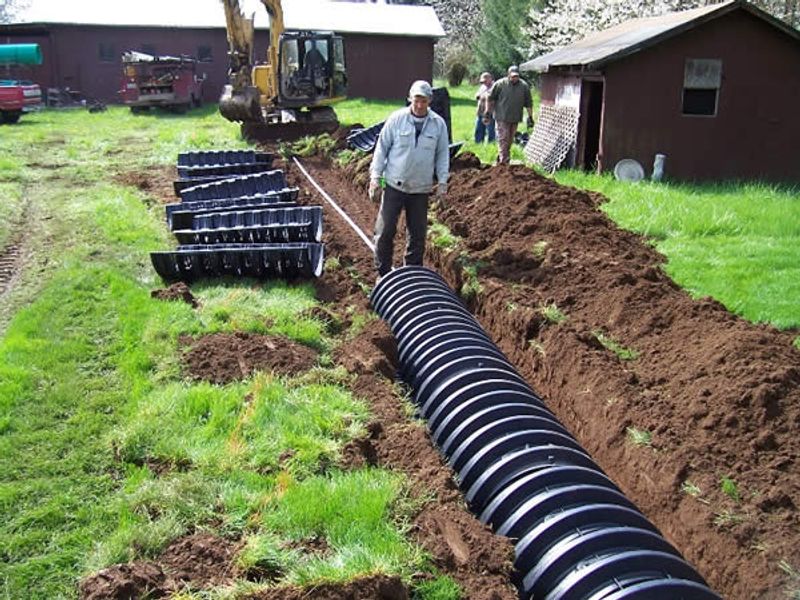
A pressure distribution lateral being installed using graveless chambers in three foot wide trenches. These are very common in Clark, Skamania and Cowlitz Counties.
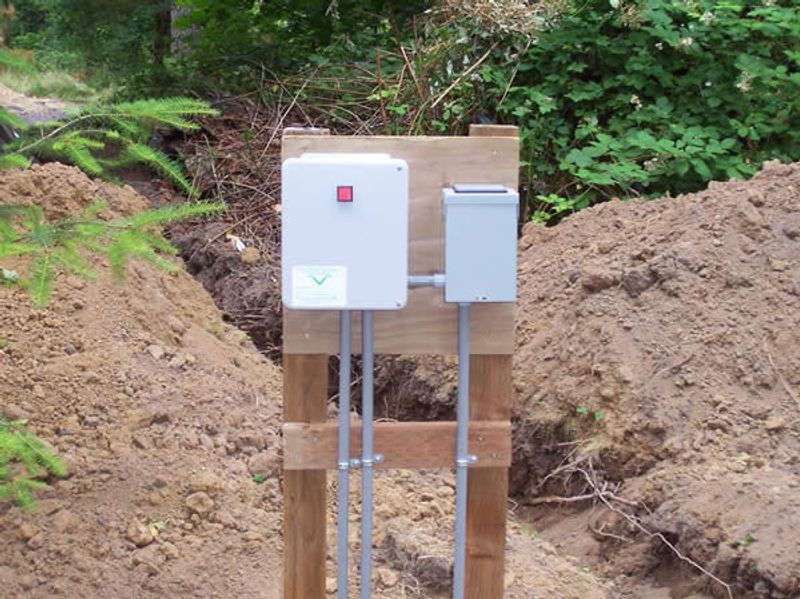
The control panel for a typical pressure distribution system (NOTE: these are oftentimes mounted on the side of the building, near the tanks)
Advanced Treatment Systems
High-level treatment for challenging sites with shallow soils
Advanced treatment systems come in many makes and varieties. Some are built in a factory and some are built on site. Some are proprietary and some are public domain. These systems are required when shallow soils exist on the site (12-30 inches typically). The basic function of these systems is to clean the wastewater prior to the final disposal into the ground. Most of the time, these treatment systems are followed by pressure distribution drainfields (trenches or drip tube).
The most common types of pre-treatment systems found in southwest Washington include the following:
Sand Filter
Uses sand filtration for advanced wastewater treatment
After the septic tank, a pump sends pressurized effluent to a large underground box which is full of sand and drainrock. Effluent is spread evenly over the surface of the sand via a pressurized pipe network. The dirty effluent filters through the sand and collects in a sump at the bottom. A second pump sends the relatively clean effluent to the drainfield where the final treatment occurs and the effluent is disposed in the soil.
Many sand filters were installed in years past, but new technology has mostly replaced them today.
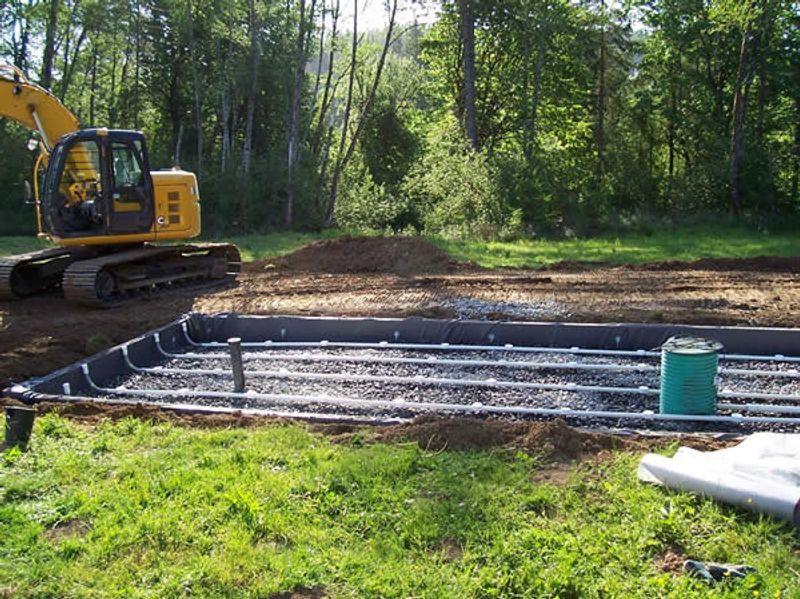
A sand filter system installed and prior to backfill. Once completed, there will only be a few lids visible from the surface.
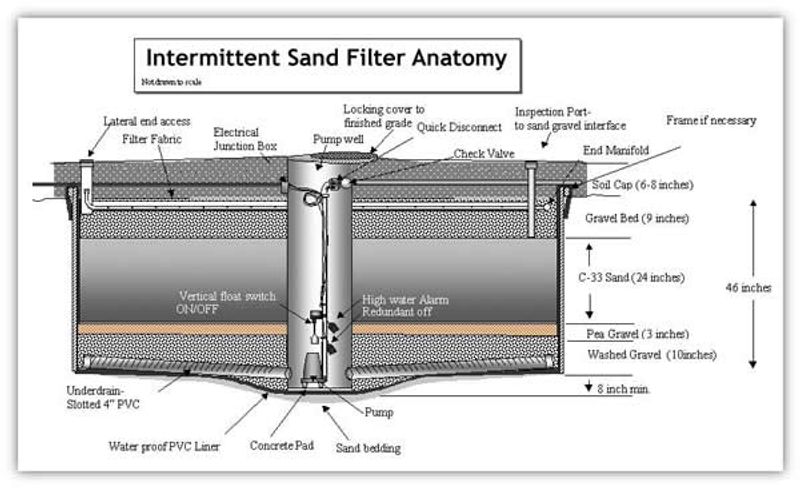
Here is the cross-section of a typical sand filter.
Sand Mounds
Raised drainfield system for very shallow soils
Another system suited for sites with shallow soils is a sand mound. A mound is a drainfield raised above the natural soil surface with a sand fill material. Within the sand fill is a network of pressurized pipes similar to a pressure drainfield. Septic tank effluent is pumped through the pipes in controlled doses to insure uniform distribution throughout the bed. Treatment of the effluent occurs as it moves downward through the sand and directly into the natural soil beneath.
Sand mounds were used a lot in the late 1980's through the 1990's. They are used less often today and when they are, the design oftentimes allows a shorter height than in the past.
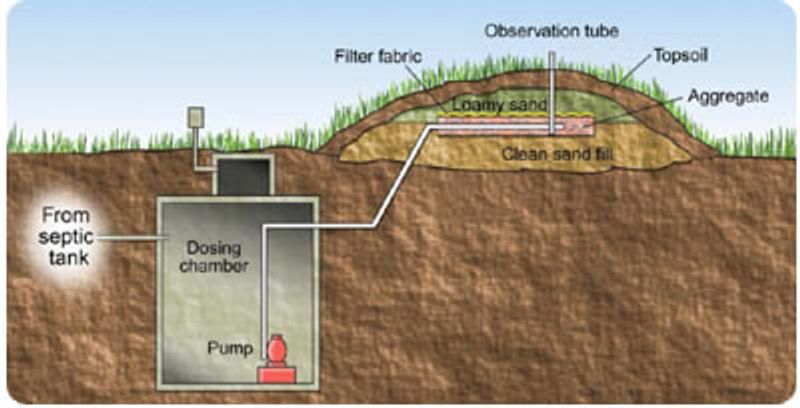
A schematic showing the typical cross-section of a sand mound.
Aerobic Treatment
Uses oxygen injection to enhance biological treatment
Another method of treating wastewater involves an "aerobic" process by which air is blown into the effluent in a specific manner. The increased levels of oxygen in the effluent allow the aerobic microorganisms to thrive and digest the biological nutrients. A small low wattage air compressor is used to inject air into the effluent.
The sand filters described above have been mostly replaced with this type of system. They are less expensive to install, take up less land area and easier to repair if/when needed.
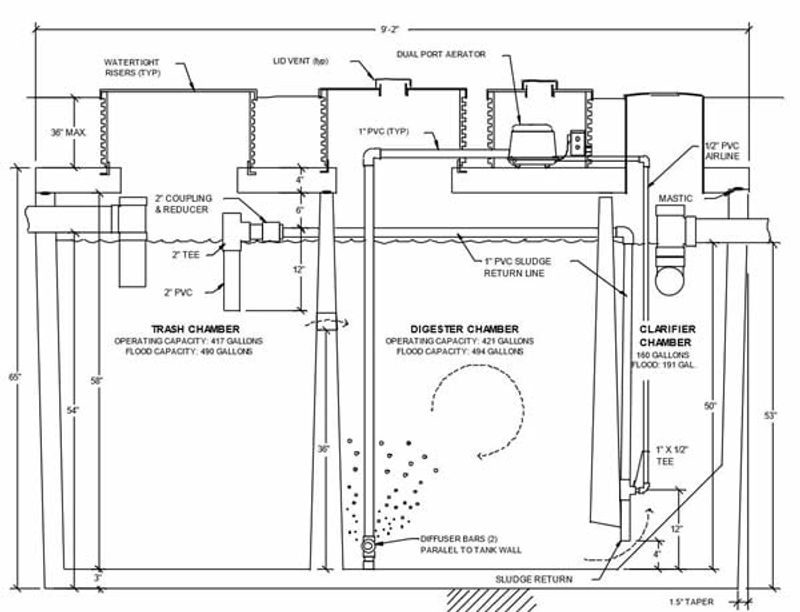
A NuWater BNR-500 aerobic system, used regularly in Clark County, WA.
Textile Filter (AdvanTex)
Premium textile media filtration system
AdvanTex filters are typically more expensive and have more bells and whistles. Similar to a sand filter, the AdvanTex filter uses media to filter out the contaminants in the effluent. Instead of sand however, the AdvanTex uses a textile product.
EGSD designed a few AdvanTex systems before the NuWater system was approved for use in Washington. The NuWater is less costly to install and does not require an ultraviolet (UV) light like the AdvanTex.
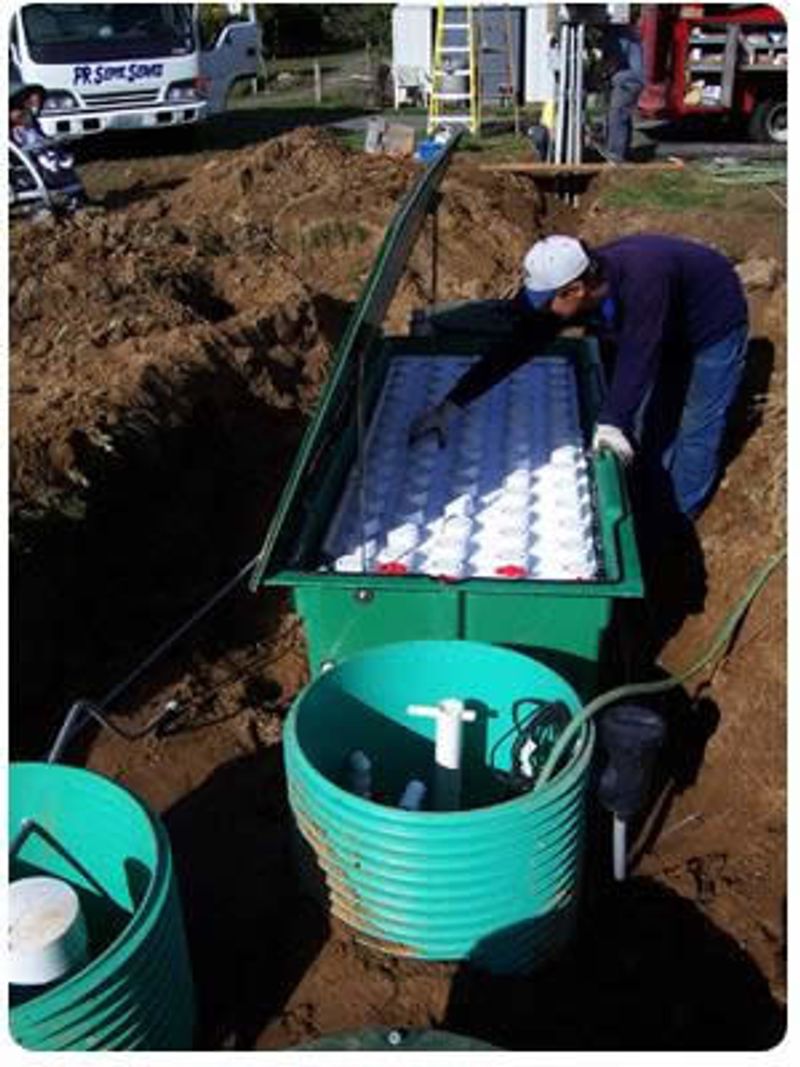
An Advantex AX-20 fabric filter being installed on a site with marginal soils. In this particular case, a drip drainfield was used.
Glendon® Biofilters
Specialized system for extremely challenging sites
Glendon Biofilters are used on the really tough sites, typically where seasonal groundwater or significant rock is found at 12-18 inches below the surface. The system consists of different layers of sand and gravel placed in a watertight box built into the soil with a sand fill placed over the top of the entire area. Effluent is pumped into the bottom of the filter and allowed to wick itself up through the sand and over the rim of the box and into the soil (effluent remains under the cover sand).
Typically one "pod" is used for each bedroom in the residence or 120 gal/day of wastewater on a commercial project. Due to aesthetics and newer regulations, we design less Glendon system today but still have them available where it makes sense.
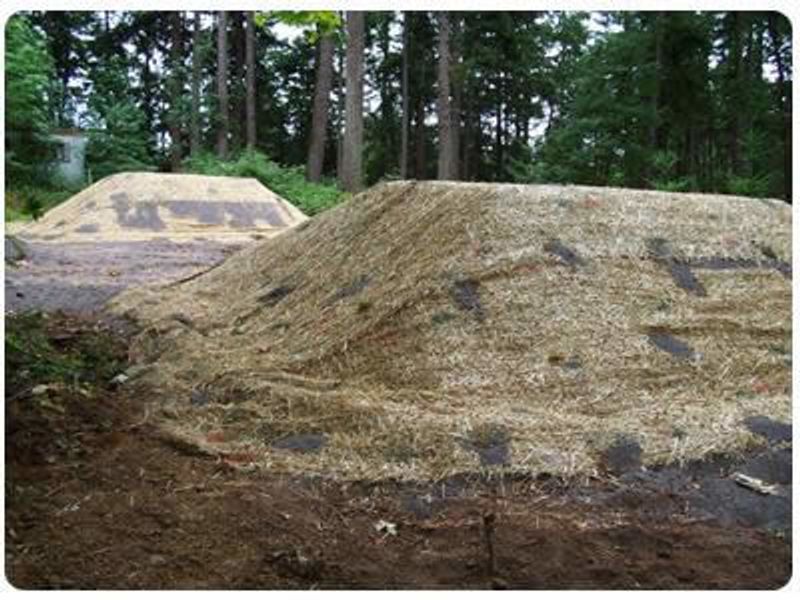
Two Glendon pods installed away from each other. One advantage to this system is that the "pods" can be separated, whereas a standard mound is typically one continuous long bump.
Have Questions About System Types?
We can help you determine which system type is right for your property. Contact us today for a consultation.
Ready to move forward? Understand the permitting process or browse common questions.